
Better Setup Helps Speakers Sound Clear and Balanced
Sound system installation reduces audio distortion by placing speakers in the right spots, using the correct wire and gear, and setting levels the right way. When a system is installed well, sound stays cleaner at low and high volume. That means less buzzing, less crackling, and less harsh sound. In homes and businesses around Alexandria, VA, a good setup can make music, speech, and TV audio much easier to hear.
Quick Diagnosis Summary
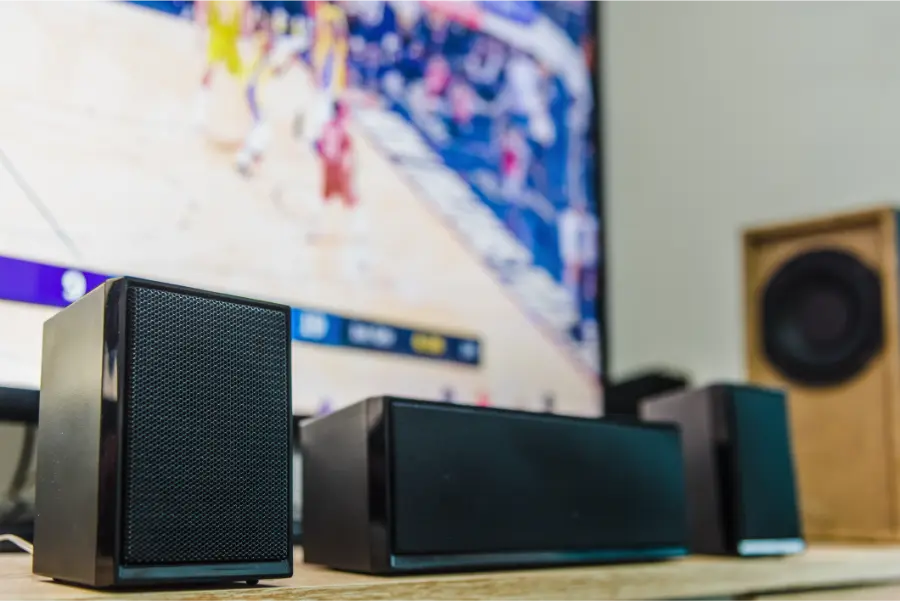
If your audio sounds fuzzy, sharp, weak, or uneven, the setup may be the problem. Many people think the speaker is bad when the real issue is poor placement, loose wiring, wrong amp settings, or a mismatch between parts. sound system installation helps fix these problems before they turn into daily sound issues. It also helps the whole system work together as one clean, balanced unit.
Common Symptoms
Audio distortion can show up in a few easy-to-notice ways. Sometimes voices sound too sharp. Other times bass feels muddy and covers everything else. You may also hear popping when volume goes up. In some rooms, one side sounds louder than the other. These are all signs that the system is not set up well for the room or the equipment.
- Buzzing or humming from speakers
- Crackling when sound gets louder
- Words that sound hard to understand
- Bass that feels too heavy or too weak
- Music that sounds flat or rough
- Uneven sound from one seat to another
Even if the equipment is new, these problems can still happen. A strong system can still sound bad if it is installed the wrong way.
Likely Causes
Most distortion starts with a few common problems. One cause is speaker placement. If speakers are too close to a wall or stuck in a bad corner, sound waves bounce in ways that muddy the audio. Another cause is gain set too high. When the signal is pushed too hard, the system clips and creates harsh sound.
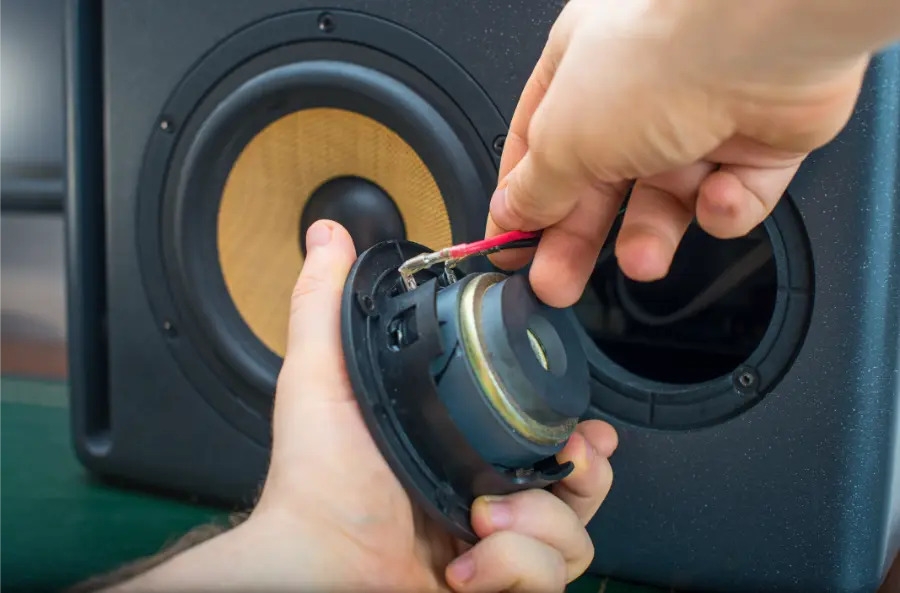
Bad wire connections can also lead to trouble. A loose wire may cause popping, dropouts, or weak output. Wrong speaker and amplifier pairing is another issue. If the amp sends more power than the speaker can handle, damage and distortion can happen fast. The room matters too. Hard floors, large glass windows, and tall ceilings can all make sound reflections worse.
The service category keyword is part of the full setup picture as well. Even when that field is broad, the goal stays the same: all parts need to work together for clean sound.
What to Check First
Before replacing any gear, check the simple things first. Many sound problems come from easy issues that are missed at first glance.
- Check that all wires are tight and in the right ports.
- Lower the volume and gain to see if clipping stops.
- Make sure the speaker impedance matches the amplifier.
- Look at speaker placement near walls, corners, and furniture.
- Test one source at a time, like TV, phone, or mixer.
- Listen from different spots in the room.
These steps can help narrow down the cause. If the sound gets better after moving a speaker or lowering gain, the issue may be setup related, not equipment failure.
Safe Fixes Vs Pro-Level Fixes
Some fixes are safe for most people. You can move speakers a few feet, tighten cable ends, and lower settings that are too high. You can also move items that block sound, like large decor pieces or furniture placed right in front of speakers. These small changes often help more than people expect.
Other fixes need a trained hand. Running wire through walls, tuning an amplifier, setting crossovers, and balancing multiple zones take more skill. A pro can also test room response and find problem frequencies that your ears alone may miss. That matters in larger homes, stores, offices, restaurants, and event spaces where clean, even audio is harder to achieve.
Good sound system installation is not just about putting speakers in place. It is also about tuning, spacing, matching, and testing. That full process is what cuts down distortion and makes sound more natural.
Prevention Tips
The best way to avoid distortion is to stop it before it starts. A planned setup usually performs better than a rushed one. If you are building a new room or updating old gear, think about the room size, speaker coverage, and how loud the system needs to get without strain.
- Choose speakers sized for the room
- Match amplifiers to speaker limits
- Keep wires neat and protected
- Avoid placing speakers tight in corners
- Use proper tuning after install
- Test at normal and high listening levels
It also helps to avoid maxing out volume all the time. When a system runs too hard every day, parts wear down faster and distortion becomes more likely. Clean settings and smart use can help the system last longer.
Final Recommendation
If your audio sounds rough, the problem may not be the speaker itself. Very often, the issue comes from setup choices that affect how sound moves through the room. Better placement, correct wiring, matched equipment, and careful tuning can all reduce distortion. A proper install helps voices sound clearer, music sound fuller, and volume stay smoother from one area to another.
Contact for Help
If you need help with sound system installation in Alexandria, VA, I can take a close look at the setup and help find the cause of the distortion. You can call me at (703) 596-9215 to talk about the problem and what you are hearing. At MrTvInstaller, my goal is to make your system sound clean, balanced, and easy to enjoy.