
The Right Layout Helps Sound Reach Every Listener Clearly
Sound system installation manages speaker placement by matching the room size, speaker type, listening area, and surface materials with the best speaker locations. The goal is simple: clear sound, even coverage, and fewer dead spots or harsh echoes. In homes and businesses around Alexandria, VA, good placement helps music, speech, and announcements sound balanced instead of too loud in one spot and weak in another.
Quick Answer
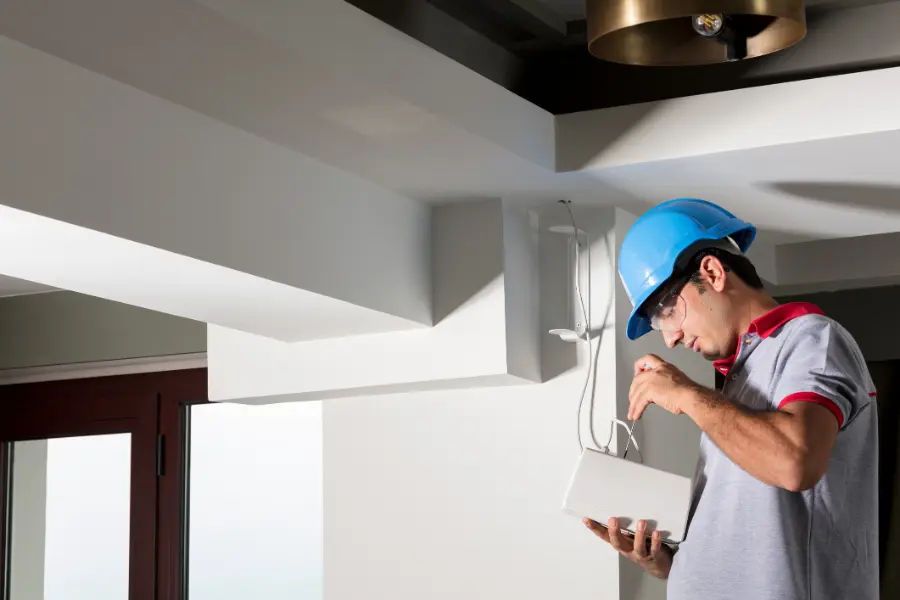
When handling sound system installation, the installer usually starts by mapping the room and finding where people will sit or stand. Then the speakers are placed to spread sound evenly across that area. This may mean wall-mounted speakers, ceiling units, front-facing speakers, or a mix of each. Small changes in height, angle, and spacing can make a big difference. This work is often part of a larger service category like audio setup and integration.
What You Need Before Starting
Before any speakers go up, a few basic details need to be clear. The room itself matters just as much as the speakers. A long narrow room needs a different plan than a wide open space. A carpeted den acts differently than a tile shop or a hall with hard walls.
- Room size and shape
- Ceiling height
- Main listening spots
- Type of sound use, like music, movies, or speech
- Speaker size and power
- Furniture, walls, glass, and other sound-reflecting surfaces
It also helps to know if the system needs to cover one small zone or several areas. A family room setup is very different from a patio, office, restaurant, or retail floor.
Step-by-Step Process
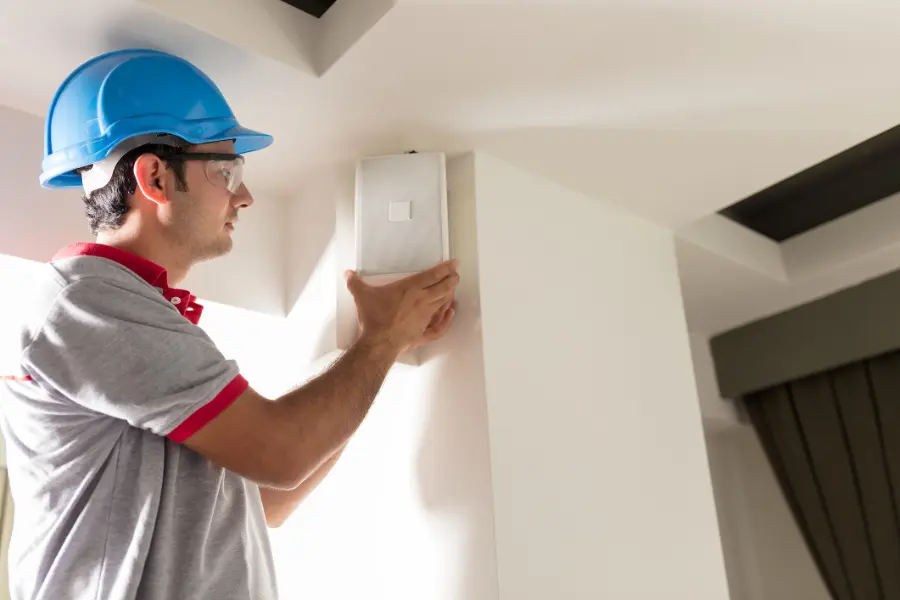
A clear process helps speaker placement stay simple and effective. Most sound system installation jobs follow a pattern like this.
- Measure the room and note doorways, windows, and seating areas.
- Choose the main listening zone where sound matters most.
- Select speakers that fit the space and the sound goal.
- Place front speakers where direct sound can reach listeners first.
- Set speaker height so sound is not blocked by furniture or people.
- Aim speakers slightly toward the listening area if needed.
- Space speakers to avoid gaps in coverage or heavy overlap.
- Test volume and tone from different parts of the room.
- Adjust angles and distance until the sound feels even.
For surround sound, the front speakers usually go near the screen, while side or rear speakers fill in the rest of the room. For business systems, the layout often uses more speakers at lower volume so sound stays smooth across the full space.
Common Mistakes to Avoid
Bad speaker placement can make a good system sound weak. One common mistake is putting speakers too far apart. That can leave quiet areas in the middle. Another mistake is placing them too close together, which can make one section too loud.
People also mount speakers too high without aiming them down. That sends sound over the listeners instead of toward them. Corners can be a problem too. While corners may seem convenient, they often make bass build up too much and can muddy the sound.
Another issue is ignoring room surfaces. Glass, concrete, tile, and bare walls bounce sound around. If speaker placement does not account for that, voices can sound messy and music can feel sharp. Even great gear cannot fix a poor layout on its own.
When to Call a Professional
Some small setups are easy enough for a homeowner to try. Still, there are times when expert help saves time and avoids costly mistakes. If a room has high ceilings, odd angles, many zones, or outdoor sections, placement gets harder fast. The same is true when wiring must be hidden or when the system needs to work with TVs, amps, smart controls, or existing equipment.
A professional can also help when speech clarity matters most. In a meeting room, house of worship, classroom, or store, poor sound is more than annoying. It can keep people from hearing key words. A trained installer can test coverage, reduce echo problems, and place speakers where they do the most good.
It also helps to call a pro when one room needs different sound levels. For example, a restaurant may want soft music near tables and stronger coverage near the bar. That kind of planning is easier when someone designs the system around real use.
Final Recommendation
The best speaker placement is not random. It is planned around the room, the listeners, and the job the system needs to do. Good sound system installation keeps audio clear, balanced, and comfortable without forcing the volume too high. If placement is done well from the start, the system usually performs better and lasts with fewer frustrations.
Talk With a Local Expert
If you want help with speaker layout in Alexandria, VA, I can help you sort out the best setup for your space. I take time to explain the options in plain language so you know what fits your room and goals. You can call (703) 596-9215 to reach me directly. At MrTvInstaller, my focus is making your system sound clear, balanced, and easy to enjoy.